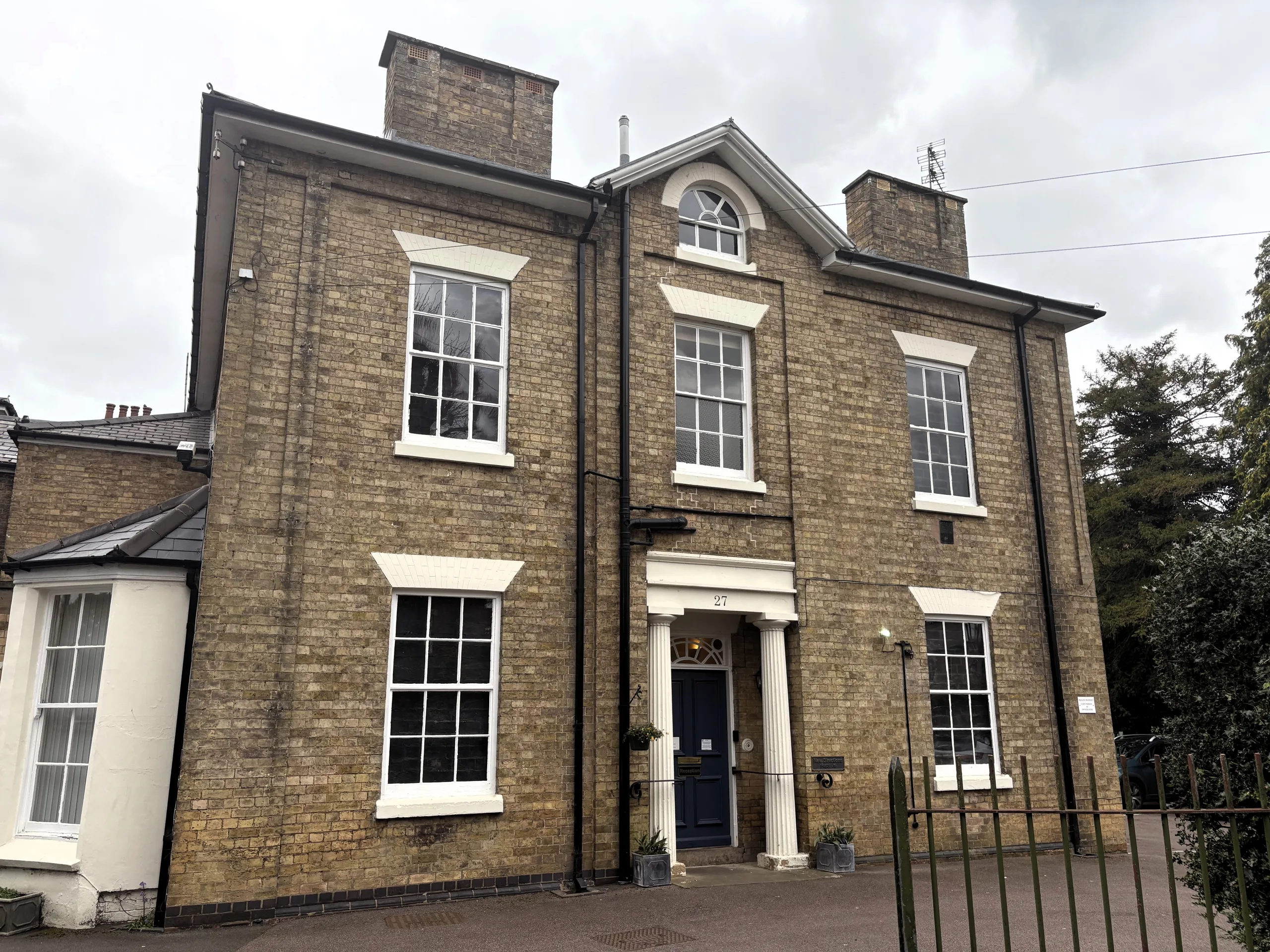
History of 27 Bilton Road

A History of Bilton Road, Rugby
1900s to present day
Bilton Road has long been an important western route in Rugby, though its character has changed significantly over time. At the start of the 20th century, it lay on the edge of the town, marking the transition from urban Rugby to the rural parish of Bilton, with only limited development along its length.
In the 19th and early 20th centuries, the area was shaped by its connection to Rugby School. Wealthy families often settled here temporarily while their sons attended the school, living in large Victorian and Edwardian villas supported by a network of local domestic workers. This created a distinct social landscape of affluence alongside service communities.
As Rugby expanded in the early 1900s, driven by industry and the railway, Bilton Road began to evolve into a suburban street. By the interwar period, rapid housing development and the arrival of local shops and services transformed it into a busy residential thoroughfare. The incorporation of Bilton into the borough in 1932 confirmed its place within the growing town.
After the Second World War, the area became fully established, with housing completed and adapted to meet demand. By the late 20th century, Bilton Road had settled into its role as a key residential and commercial route, shaped by increased traffic and changing patterns of urban life.
Today, Bilton Road remains a vital part of Rugby’s western corridor, combining historic buildings with modern development and serving a diverse local community. Though its rural origins have disappeared, its evolution reflects the wider growth of Rugby into a modern town.
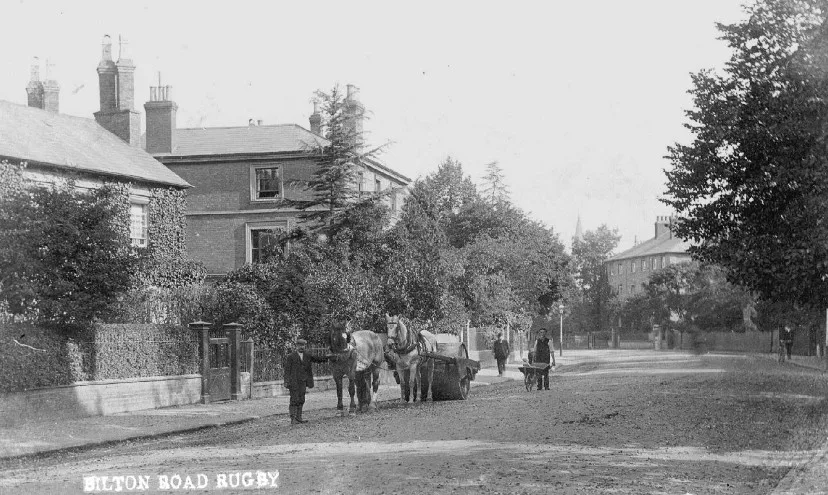
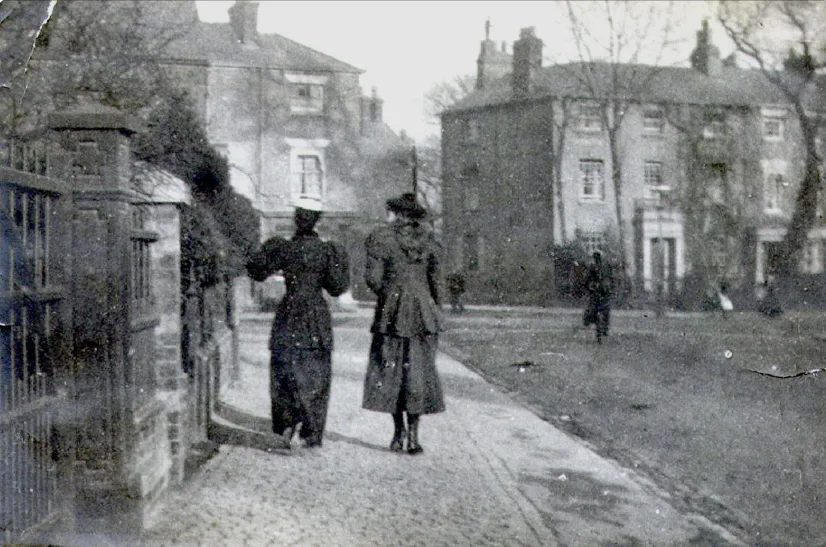
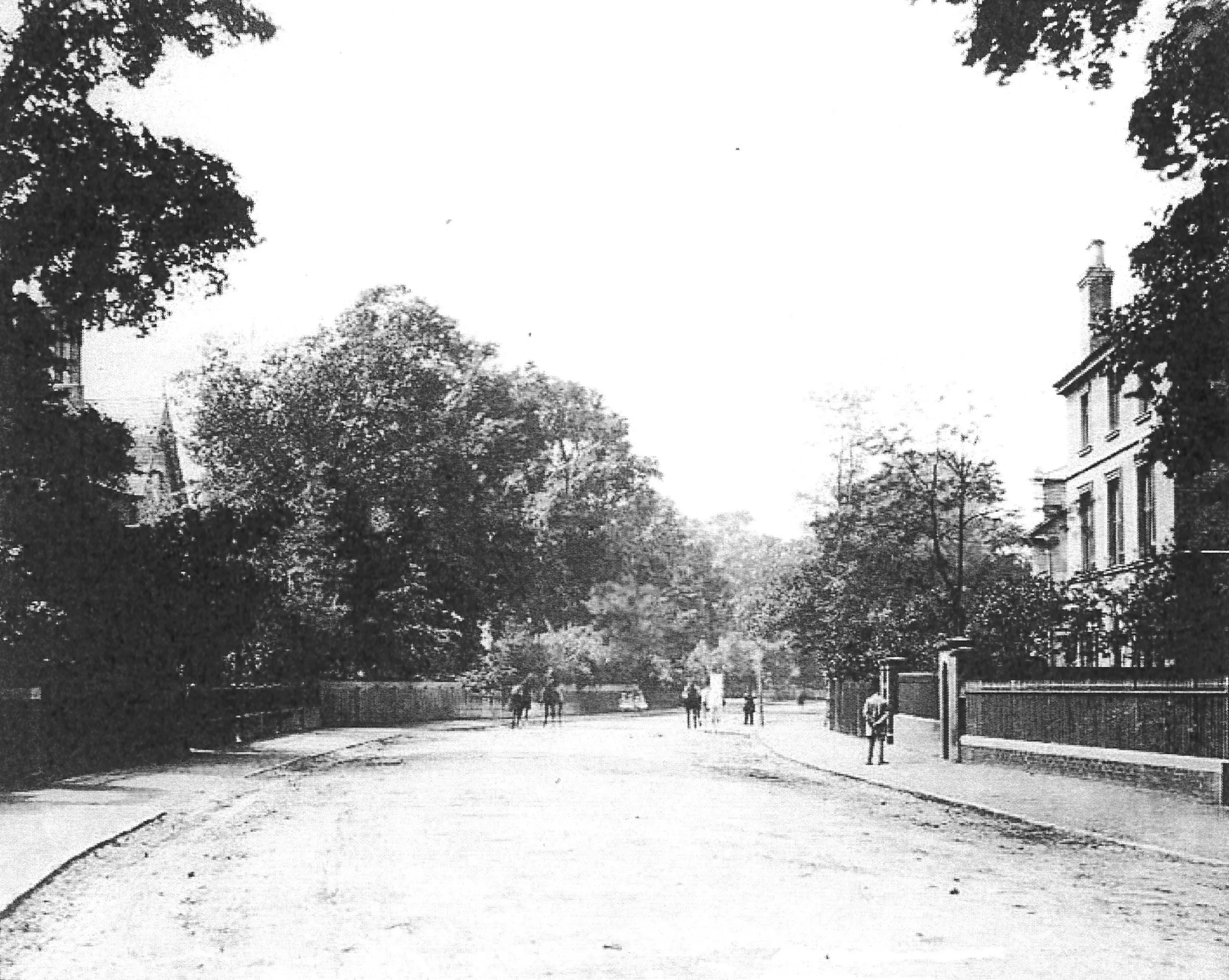
A Prior History of 27 Bilton Road 'Richmond Lodge'
The property we now refer to as New Directions’ head office was built at some point between 1830 and 1840 and is Grade II listed.
In 1847, the land and property was sold by Rev. John Thomas Parker to William Satchwell. It later became known as “Richmond Villa” and was numbered 13 Bilton Road. The property included gardens and stables and remained in the Satchwell family until 1920, when it was acquired by Sophia Chandler Fox, who lived there until her death in 1926.
It was subsequently owned by Angus Paterson, an engineer working in Eygpt and Sudan. It was during Mr Paterson’s ownership that the property was renamed as ‘Richmond Lodge’ and 27 Bilton Road.
In the 1940s, Dr George Mitchell had his surgery at Richmond Lodge.
In 1959, Richmond Lodge was purchased by Roger Horne and Derek Lawson and later became ‘Richmond Lodge School’, a private school at which Horne & Lawson were Headmasters.
Back in the 1950s/60s, the first floor flat at Richmond Lodge was occupied by some young men who were effectively the committee of the Rugby Motor Club. Motor sport activities took place on the disused runway at Church Lawford and competitions were held for ‘The Richmond Lodge Trophy’. After nearly 50 years, in 2014, the club, presided over by Peter Scott, Haydn Evans and David Lloyd, decided that part of the funds raised so long ago would be given to charities, one of which was New Directions.
The iron in the image opposite was previously used as a doorstop for Richmond Lodge. Mark Hardcastle (former client) remembers the iron being one of three on the mantlepiece in what is now the Reception area of Head Office. At the time that Betty Milner was here there was an open fire in the room.

The Richmond Lodge Trophy. Inscription reads: ‘R. M. C. Richmond Lodge Trophy, 1961, H. J. Scott, 1st’

Iron doorstop
1964 to date
Rugby Mencap & New Directions
Rugby Mencap purchased Richmond Lodge in early 1964, and it has remained in continuous use ever since. You can read more about the history of Richmond Lodge and its past uses on our Memories pages.
Today, Richmond Lodge – now known as 27 Bilton Road – serves as New Directions’ head office. From here, we coordinate the services we provide to the people we support and their families, helping to create a safe and supportive environment in which people with learning disabilities can lead more independent and fulfilling lives.